

5 Tiny Changes That Will Radically Improve Your Workday
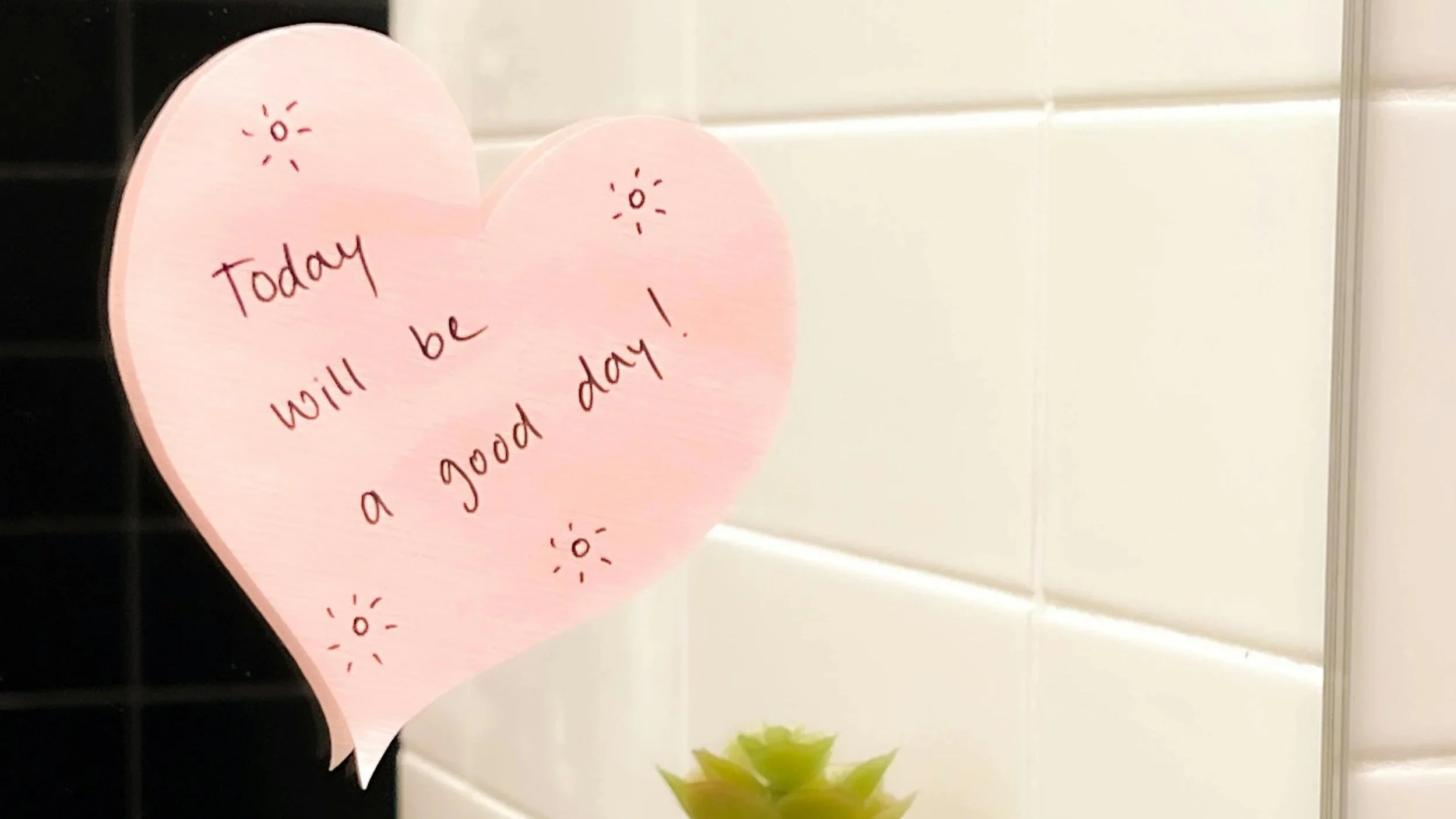
Photo by Pinkmean Creative:
TL/DR
A “good” workday is one where you make meaningful progress
Email and Slack hijack your focus; delay checking them, even by an hour
Plan tomorrow today to log off with less mental clutter
Batch process messages to protect your brain from distractions
Track what you did with a “tada” list
The Whole Shebang
You know that feeling when you get to the end of the day, you shut your laptop, and you think to yourself “Damn, today was a good day!”?
Such a good feeling, right?
But maybe it’s more elusive than you’d like.
Perhaps these types of days are few and far between.
If I asked you, right now, could you define what goes into a “good day”?
You can think about it; I’ll wait.
(And for the purposes of this conversation, let’s assume we’re talking about a good WORKday.)
Got it?
Ok, well, if you’d asked me this question BEFORE I read this study I’d have told you that a good workday for me is one in which I:
Used my brain in a fulfilling way to do interesting work
Took a reasonable amount of breaks
Spent time with people I like working with (or myself, and yes, I like myself)
Then, I read the, and what it found rang true for me, too.
This study found that the primary marker of a “good day” at work is a day in which you made meaningful progress on ANYTHING.
Yes, seriously, this feels a kind of bare minimum, bottom of the barrel type expectations.
But, I bet you’ve also had plenty of days where you worked hard all day, and yet, barely checked anything off your task list.
I call this “letting the day happen to you” and, look, it can happen to the best of us.
You know what it feels like.
You sit down at your desk, open your inbox, start responding, have a few meetings, respond to Slack, more email, and all of a sudden it’s 6pm.
You’re tired, you’re defeated, you’re frustrated and you’ve done everything BUT made progress, despite your best intentions.
So, how can you reverse engineer a good day?
Let me share just a few things that can really move the needle.
Don’t start with email or slack
Email and slack? I call them OPP, other people’s priorities (You down with OPP? In this case, no.)
If you can delay checking email or Slack for even an hour after you start work, instead, focusing on your most important “must do” tasks of the day, you will be blown away by how much progress you can make.
And no one will notice if you answer their email at 10am instead of 9am, I promise.
Every email and message opens a loop in your brain; and your brain is wired to want to close loops.
So, instead of “just checking” and opening all those loops, do the stuff that needs to get done right away and then get into your inboxes.
Plan for tomorrow, today
If you start the day with a plan, you’re much liklier to make progress on the important stuff, because you’ve defined the important stuff.
Bonus: you’ll be able to mentally disconnect from work in the evening so much better!
Want to know more; here’s an article I wrote about how to do this in 15 minutes or less.
Build in buffer
Unexpected things will come up. You won’t know what in advance, but you can be sure that there will be some amount of “stuff you didn’t know about yesterday that has to be done today”
So plan for it by building in some buffer time.
Batch process your comms
You get so many pings and dings how can you possibly get anything done, right?
Turn off the notifications and batch process email and Slack instead.
You might think you need to answer immediately, but I can assure you, you don’t.
Caveat: There are some jobs where responding immediately is necessary in certain circumstances (like, you’re in ops and you get pinged when the website goes down, or your a doctor and you get pages, etc.)
So, YMMV with this technique, but most knowledge workers can get away easily with batch processing comms between 2 and 6 times a day, and still be more responsive then if you’re just “checking” 37 times a day (the average).
When you batch process comms, you have more focused time to make progress.
Write a “tada” list
Don’t just keep track of what you have to do, keep track of what you did!
That’s a “tada” list.
As you finish things or make progress, jot them down and look at it, congratulating yourself at the end of the day.
Bonus, if you start making a tada list, you’re going to mentally trick yourself into wanting to add to it, and that will trick your brain into making meaningful progress.
Want to give it a shot?
Start with just ONE of the strategies above and see what happens.
And let me know which one you plan to start with!
When you’re ready, here are 3 ways we can work together:
Enroll in the Time Well Spent course
Bite-sized, shame-free steps to take control of your time, and your life. Built for real people with big lives, big jobs, or both. Learn more, or enroll here.
Get 1:1 Coaching
High-touch coaching for people managers, leaders, executives and founders who need a trusted partner to streamline priorities, manage the overwhelm, and focus on what moves the needle most. Schedule a call to explore if this is the right fit for you.
Explore Team Workshops/Training
Customized workshops and trainings to help your team improve productivity without burnout and create a culture where people (actually) thrive. Schedule a call to explore if this is the right fit for you.
